
Beyond October | Going Deeper Together
In the early days of Built By Us, someone told us our alumni networking events felt like a place of belonging. It was a simple observation, and it stayed with us. It named something that at the time many people who are underrepresented don’t always find in this sector.
It also showed us what was missing. Diversity action in the built environment has traditionally moved up and down the agenda, and race and ethnicity feel like the areas that can be moved down more readily. The current news cycle (Autumn 2026) makes that understandable: racism and xenophobia are presented as everyday, with hate presented as legitimate concern without challenge, while the language and behaviour are becoming increasingly violent.
While this is not an issue that is exclusive to the construction sector, as a major employer, around 1 in 14 people according to government data, it’s important to play a part in addressing it. The people who pay for our lack of attention are often from the most vulnerable communities, and we shouldn’t punish them further through inaction.
Starting to address this meant facing a fear: that no one would listen. That we would raise discrimination in a sector with other priorities, and be nodded at, then ignored. The voice in our heads asked whether it was the right time. The inconsistency of effort answered it. The fear didn’t disappear at first. It shrank because we acted.
Many of you have already done that. You’ve signed up, shown up and started listening. This Black History Month’s theme is Honouring Communities. October is a reminder and a catalyst, but honouring communities isn’t a month-long project. It’s the work of every month, and the hardest part is staying with it.
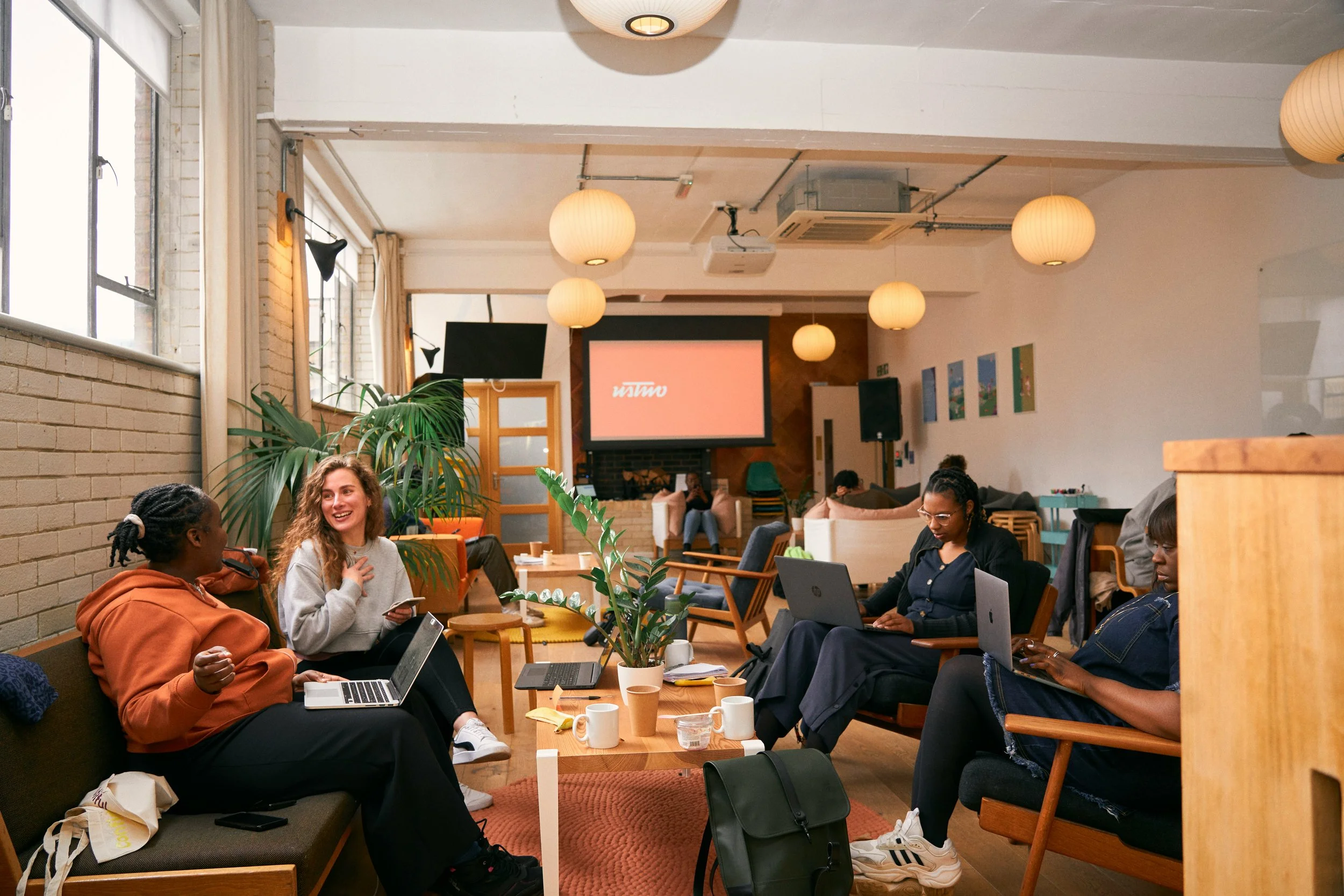
What deeper listening asks of us
When you’re already committed, fear changes shape. It’s less the fear of starting and more the fear of changing internal cultures, going up against those who dismiss the importance of the work, being challenged by the people we hoped to support, or finding that what we’ve done so far isn’t enough.
The fear of not being listened to hasn’t gone away either. People from Black and ethnically diverse communities, and from faith communities, carry it every day: the fear of being the only one who speaks up, of explaining themselves again, unpaid, to people who then do nothing with it. Of having faith treated as an inconvenience, rather than part of how people live.
Good intentions can stop at the first answer. Listening that never changes a decision is only a quieter way of not listening. Trust is built when what people tell us changes something, and honouring communities depends on that trust.
Questions to take back to your team
These are for the people already doing the work, to ask again.
Who have we stopped hearing from, and why? Early conversations fade, and the people who were consulted first are often the first to go quiet.
When did listening last change a decision we made? If you can’t name one, are you asking the most useful questions.
Who is in the room when decisions about place are made, and who is missing? Ask before a project moves on, not after.
Whose knowledge counts as expertise? Value community insight, and pay for it.
Where does faith show up in the brief? Prayer and quiet spaces, food, gathering and timings are design inputs from day one.
What do we do when we hear something uncomfortable? Stay with it, try to understand, rather than defend against it.
Have we told people what changed because of what they said? Closing the loop is what turns listening into trust.
Keep going
You don’t need to start again, or find perfect language. You’ve begun.
What keeps us going is knowing the work is nowhere near complete. Nothing we’re seeing in the news is new. We continue to learn from the past, and we know that consistent, continued effort is what’s needed.
The next step is to go deeper than feels comfortable: listen past the first answer, listen when what you hear is critical, listen without preparing your defence. Then act on what you’ve heard, and tell people what changed. Don’t wait for next October, and don’t let the agenda decide when the time is right.
Fear is normal, and so is fatigue. Built By Us exists because people chose to act alongside them, and you’re part of that. So how can we all do to go deeper and what steps are required to truly listen?